
How Orelune Was Built with OpenClaw
See how Orelune used OpenClaw to build an AI tarot experience with memory, personality, and real-time context, and why agent frameworks change what small teams can ship.
Orelune was built by a two-person team, using OpenClaw to create an AI tarot product that could feel more like a living guide than a static generator.
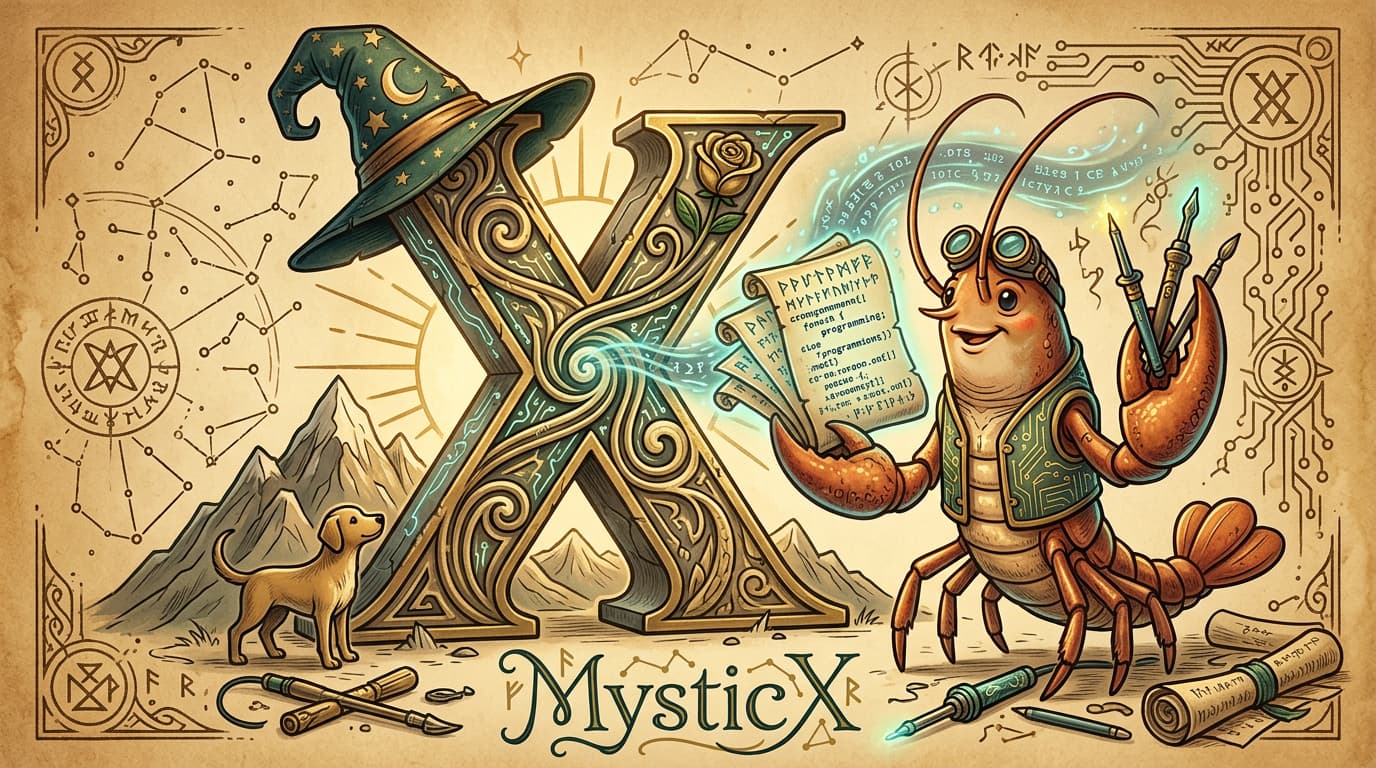
Not long ago, building something like this would usually have meant a much larger product team. Orelune showed us that agent-oriented systems make it possible for very small teams to ship much more ambitious software.
The idea we were trying to build
Tarot has always been a tool for reflection, intuition, and guidance. But the way modern people seek guidance has changed. They ask questions late at night, revisit them over time, and want a reading to respond to emotional context rather than act like a fixed lookup result.
That led to a core question: what if a tarot reader could behave like a persistent AI agent?
Instead of giving disconnected one-off interpretations, the system could remember previous questions, understand context, and let guidance evolve across sessions. That idea became Orelune.
With Orelune, users can:
- draw tarot cards instantly
- ask about love, career, or life direction
- receive personalized interpretations
- get reflective advice and suggested next steps
The goal was to create something closer to a conversation with an AI oracle than a normal app screen.
Why OpenClaw mattered
As soon as we moved past static prompts, we realized a traditional app architecture was not enough. Tarot interpretation in this form needs more than a single request-response loop. It needs personality, memory, channels, and evolving context.
That is where OpenClaw became central.
It let us build the tarot reader as a full AI agent, not just a thin chatbot layer. That shift made several important capabilities possible.
Four capabilities OpenClaw helped us build
1. A living interaction layer
Many AI products stay passive. They wait for a user to open the site and type.
With OpenClaw, we were able to connect channels like Telegram so the tarot reader could exist in a more natural ongoing interaction flow. Instead of isolated sessions, conversations could continue over time.
That gave the experience something closer to a heartbeat.
2. A consistent soul for each reader
Tarot interpretation changes dramatically depending on the reader's voice and philosophy.
To preserve that, we created soul.md, a file that defines the tone, symbolic style, and interpretive framework of a tarot reader. In practice, it acts as the stable identity layer of the AI oracle.
That means multiple reader styles can exist without losing coherence.
3. Long-term memory
Traditional readings often end as isolated moments. A reader may not remember what happened weeks before.
With OpenClaw's memory capabilities, Orelune can retain earlier questions, emotional themes, and reading history. Over time, that creates more personal and contextual guidance instead of disconnected outputs.
4. Real-time context
A reading can land more strongly when it resonates with the present moment.
Through OpenClaw's skill system, Orelune can bring in real-time search and contextual knowledge. That allows interpretations to incorporate current events, cultural context, or outside information when relevant.
The result is guidance that can feel more grounded, not just symbolic.
From experiment to product
Once those pieces were in place, Orelune moved from prototype to real product.
Now users can draw cards, ask meaningful life questions, and receive contextual interpretations within seconds. For us, the most important lesson was larger than tarot itself: AI agent frameworks like OpenClaw let small teams build products that once would have required much bigger organizations.
And this still feels like the beginning.
#Product Updates#Tarot#OpenClaw
[
Orelune
Orelune is an AI-powered tarot experience with daily tarot, one-card & three-card spreads, and intuitive guidance for love, emotions, and life direction.
](/blog?author=orelune)
More Posts

The Origins of Tarot: From Renaissance Cards to Modern Reflection
Learn where tarot really came from, how it evolved beyond a Renaissance card game, and why it became a tool for reflection. See how Orelune continues that tradition with AI-assisted insight.


Orelune Tarot Series: Seven of Wands - Courage Under Pressure and Steady Defense
Learn the Seven of Wands tarot meaning with Orelune, from standing your ground and handling competition to love, career, money, symbolism, and yes/no guidance.

Orelune Tarot Series: Judgement - Awakening, Renewal & Honest Reflection
Learn the Judgement tarot card meaning on Orelune, including renewal, reflection, love, career, money, symbolism, yes/no guidance, and reading support.
Newsletter
Join the community
Subscribe to our newsletter for the latest news and updates